
When you sign a contract or apply for a license, the other party often wants more than a handshake. Surety bond insurance works like a professional “promise with teeth”. It puts a financial guarantee behind your obligation, so the project owner, government agency, or customer doesn’t carry all the risk if something goes wrong.
What a Surety Bond Is (and What It Is Not)
A surety bond is a three-party agreement. A surety backs a principal (your business) to meet an obligation owed to an obligee (the party that requires the bond). Think of it like a referee who holds the rulebook and a penalty fund: if the principal breaks the rules, the obligee can file a claim and recover damages up to the bond amount.
The Three Parties, Clearly
- Principal: the business or contractor that buys the bond and commits to perform.
- Obligee: the entity that requires the bond (for example, a licensing authority or project owner).
- Surety: the company that issues the bond and guarantees the principal’s performance.
This structure is the heart of bonding and surety—it’s built to protect third parties and keep agreements enforceable when money, timelines, or legal compliance matter.
How It Works in Real Life
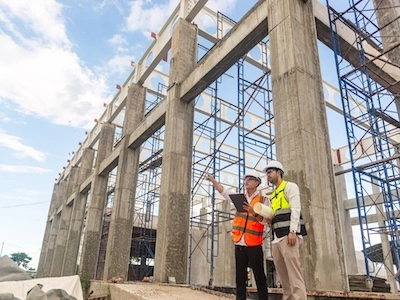
Imagine a construction project: the owner needs confidence that the contractor will finish the job as promised. The contractor purchases a bond. If the contractor defaults, the owner files a claim.
The surety investigates and may pay valid claims up to the bond limit, so the owner can cover losses or bring in another contractor. After that, the principal typically repays the surety for amounts paid (plus related costs), because the bond supports accountability rather than shifting the loss to the surety.
Before you apply for any bond, you should first understand how much a surety bond cost, because the cost can change depending on the bond type, the required bond amount, and your business profile.
Why It Differs from Traditional Insurance?
A surety insurance bond doesn’t work like a standard policy that absorbs losses for the policyholder. Traditional insurance expects claims as part of the model, surety expects the principal to perform, and treats claims as exceptions.
That’s why underwriting focuses on capacity, track record, and financial stability—more like a credit decision than a “pay-and-forget” premium.
Where Surety Bonds Show Up Most Often
Surety bonds commonly support:
- Construction: performance and payment obligations.
- Licensing and permits: compliance with laws and consumer protection rules.
- Court and fiduciary roles: faithful handling of funds or duties (depending on the case).
- Fidelity-related needs: protection against employee dishonesty sits in a different bucket, but people often see it discussed alongside surety products.
In many regulated industries, surety bonds insurance acts like a guardrail. It helps the public trust that a licensed business will follow rules, pay required amounts, or complete promised work.
Main Bond Categories
- Contract surety bonds support construction and private/public projects. They help protect budgets and timelines when the project owner needs assurance that the principal completes the work and pays certain project-related obligations.
- Commercial surety bonds support compliance with statutes, ordinances, or license requirements. They often apply to businesses that collect consumer funds, handle sensitive services, or operate under a regulated framework.
- Court/fiduciary bonds may be required in legal proceedings to ensure an appointed person performs required duties and handles assets properly.
“Security Bond” vs. Surety Bond: Why the Names Confuse People
Some markets use labels that sound similar, like “security bond insurance,” but the practical question remains the same: “Who must the bond protect, and what obligation must it guarantee?”
Always confirm the obligee, the bond form, and the required penal sum before you buy anything, because the name alone doesn’t tell you the conditions.
Why Work with Avla
How to obtain a surety bond is not a particularly difficult. It helps to know the usual sequence—application, underwriting review, and issuance—so you can prepare the correct information upfront and avoid delays.
A bond is not just paperwork: it’s a risk instrument tied to legal wording, obligee requirements, and underwriting. Avla helps you match the right bond type to the obligation, navigate bond forms that vary by state or agency, and keep the process clear from application to issuance—so you don’t lose time when a contract award or license deadline sits on the line.
If you need a partner to guide you through everyday business bond needs, Avla operates as a surety bond company with coverage built for real-world contract and compliance requirements.
Surety bonds work like a carefully written promise backed by financial strength: they protect the obligee, push performance, and keep projects and licensing systems moving with less friction.
If you want the proper bond the first time—aligned to your obligation, jurisdiction, and timeline—contact Avla today to discuss your bond requirement and start the issuance process.


